
 EN
Manufacturing Challenges That Impact Reading Glasses Quality and Consistency
Struggling with inconsistent diopter accuracy or frame fit in reading glasses? Solve 5 key manufacturing challenges to ensure repeatable quality. Download our QC checklist now.
Why Reading Glasses Demand Tighter Production Control
Reading glasses look simple and are anything but. A pair that fits comfortably, magnifies evenly and stays consistent from one order to the next depends on tight control of diopter, lens power, frame fit and assembly. Because the wearer relies on the lens to read, a small deviation is not a cosmetic annoyance but a usability problem the customer notices at once.
That concentration of risk is what makes this category different from sunglasses or fashion frames. The choices that decide reading glasses quality sit in a few critical areas: power accuracy and verification, incoming inspection of lenses and components, in-process control during frame and lens assembly, and the discipline that keeps repeat orders aligned with the original specification.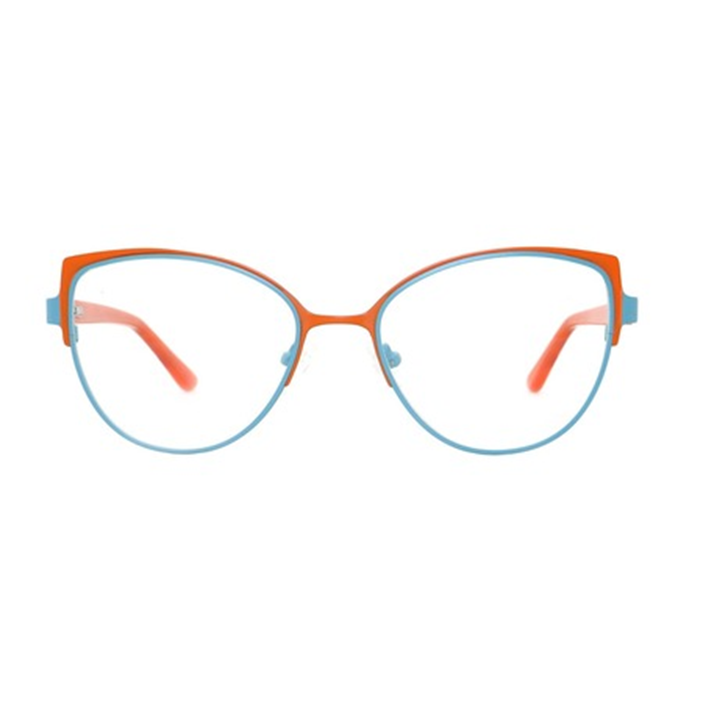
Diopter Accuracy and Power Verification
Diopter is the defining specification of the product, and it has to be controlled from the lens supplier onward.
Controlling Diopter Through the Lens Supply Chain
A lens is manufactured to a nominal power, and any deviation there propagates into the finished product. Selecting a lens source that holds power accurately is the first defence, because no amount of downstream inspection fully rescues a mispowered lens. Incoming measurement then confirms that each batch matches the ordered diopter.
Control continues through storage and handling. Lenses of neighbouring powers look nearly identical, so disciplined storage and clear identification keep the right lens with the right order. Physical separation and consistent labelling prevent the kind of mix-up a customer would notice the moment they tried to read.
Verifying Power With an Automatic Lensmeter
An automatic lensmeter turns diopter verification into a repeatable measurement. The instrument measures refractive power and optical centre, letting an inspector confirm each lens against its specification rather than trusting the moulded marking. Using an instrument rather than eyesight matters because the difference between acceptable and unacceptable is often a fraction of a diopter.
Repeat measurement across a batch also reveals process stability. If measured powers cluster tightly around the target, the process is under control; if they scatter, something has drifted. Applying that measurement during production and at final inspection means the power printed on the label is the power the wearer experiences.
Managing a Ladder of Powers
A reading glasses range usually spans a ladder of powers, and managing that ladder is a manufacturing discipline. Each step must be distinct, correctly ordered and consistently labelled, or customers receive the wrong magnification. A mixed-up power ladder damages trust far more than a minor cosmetic flaw.
Clear separation of powers through the factory prevents confusion. Storage, staging and assembly areas keep each diopter identifiable, and labels match the lens actually fitted. Consistency across the ladder also shapes how the range is perceived, since a customer comparing two powers expects them to behave the same way.
Incoming Inspection of Lenses and Components
Incoming inspection is where a reading glasses programme is cheapest to protect.
Checking Finished Lenses and Frame Parts
Incoming inspection begins with what the factory receives: lenses, frames, hinges, screws, nose pads and packaging components. Checking each item against its specification before production ensures the raw inputs are known quantities rather than assumptions, and it keeps a defect from travelling further down the line than the loading bay.
For lenses, power measurement and inspection of clarity and surface condition come first. A lens with haze, a scratch or the wrong power should never reach assembly. For frames, dimension and appearance dominate, since a malformed front or a colour that misses the reference produces a defective product however well the lens is fitted.
Component Fit and Hinge Quality
Components decide how a frame behaves in daily use, and their quality is checked at intake. Hinges especially need inspection because they carry the repeated folding a pocket pair experiences. A weak hinge or a poorly formed housing loosens quickly, and the wearer associates the fault with the brand rather than with a small purchased part.
Fit between components is the other concern. Hinges must match the frame recess, screws must suit the hinge, and nose pads must seat correctly. A mismatch found at intake can be resolved with the supplier, while the same mismatch found during assembly disrupts the schedule and often forces a compromise.
Documentation and Traceability at Intake
Documentation turns a series of checks into a defensible record. Recording what arrived, what was measured and what was accepted creates a trail that supports later investigation, and for a brand it shows that the factory knows the provenance of its inputs rather than reconstructing it after a complaint.
Traceability matters most when a question comes months after delivery. If a batch can be linked to its incoming record, the factory answers with facts instead of recollection. That capacity to investigate is itself a quality signal, and in a category built on labelling and power accuracy the evidence belongs close to the goods.
In-Process Control During Assembly
Assembly is where a correct lens and a correct frame can still combine into a pair that reads badly.
Frame Forming and Fitting Accuracy
Frame forming sets the geometry the finished pair will have, so it must be controlled during production. Whether the frame is acetate, metal or moulded, front width, bridge dimension and temple geometry determine fit, and small deviations produce glasses that slip or press.
Fitting accuracy is checked as the frame progresses rather than at the end. Inspecting formed parts against the specification keeps errors close to their source, so a temple shaped slightly wrong is corrected before it is attached. Because readers are worn for close work with the head tipped forward, that relationship matters as much as any drawing dimension.
Lens Setting and Optical Centre
Lens setting exposes quality more than any other step. The lens must sit squarely in the frame with no gaps and no pressure, and the optical centre must be positioned correctly. A lens set off-centre or twisted undermines the magnification even when its power measures accurately, and the wearer experiences the result as strain.
Verification during assembly confirms that the lens seats consistently and that both lenses are mirrored, so the pair behaves as a unit. Measuring equipment that captures frame shape and dimensional data supports accurate edging and fitting, and a check before the frame moves on keeps the product comfortable to look through.
Final Inspection and Replenishment Stability
The last gate and the next order are linked, because a category built on reorders lives on repeatability.
Final Checks, Labelling and Packaging
Final inspection covers both function and appearance: power accuracy, lens seating, frame condition, hinge action and surface finish, all judged against the specification and the retained sample. Functional checks deserve prominence because reading glasses are used rather than displayed.
Labelling belongs to the product here, since the label states the power the wearer depends on. The diopter marking must match the lens actually fitted, and the packaging must present that information clearly. Tying labelling to measurement rather than assumption keeps a range sold across several powers trustworthy at the till.
Keeping Repeat Batches Aligned
A reading glasses line lives on reorders, so consistency across batches is what makes those reorders safe. A customer who buys the same product again expects the same fit, the same power and the same appearance, and when each batch drifts the brand's reliability erodes even if every pair is acceptable.
Maintaining consistency starts with the retained sample and a frozen specification. Comparing each new batch to that reference rather than to the last one produced prevents gradual drift in colour, fit and finish, and records from earlier runs show what a good batch looked like.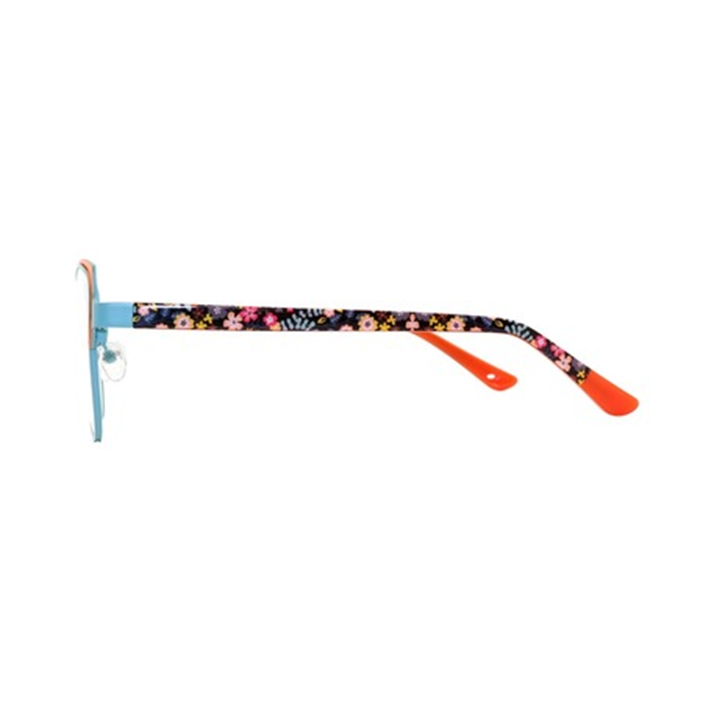
Frequently Asked Questions
Why is diopter accuracy so important in reading glasses?
Diopter is the magnification that makes the lens useful, so accuracy is the product's core function. If the power is off, the wearer struggles to read clearly, which is exactly the complaint that leads to returns and lost trust. Because neighbouring powers look almost identical, a small error can go unnoticed until the customer tries them, so power is measured on arrival and verified again before packing.
How can a manufacturer keep reading glasses consistent across repeat orders?
Consistency depends on a retained approved sample, a frozen specification and inspection that compares every new batch to that reference rather than to the previous batch. Comparing to the last run allows slow drift in colour, fit and finish, while comparing to the approved sample prevents it. Recording inspection data lets later runs be held to the same standard.
Does the frame material affect reading glasses quality?
Yes, indirectly but genuinely. The material influences how the frame forms, how the lens seats and how the product feels in use. Acetate, metal, titanium, TR90 and moulded frames each follow different routes with different tolerances, so lens setting and fitting steps must suit the material. A manufacturer working across these materials can hold consistent lens seating.



